
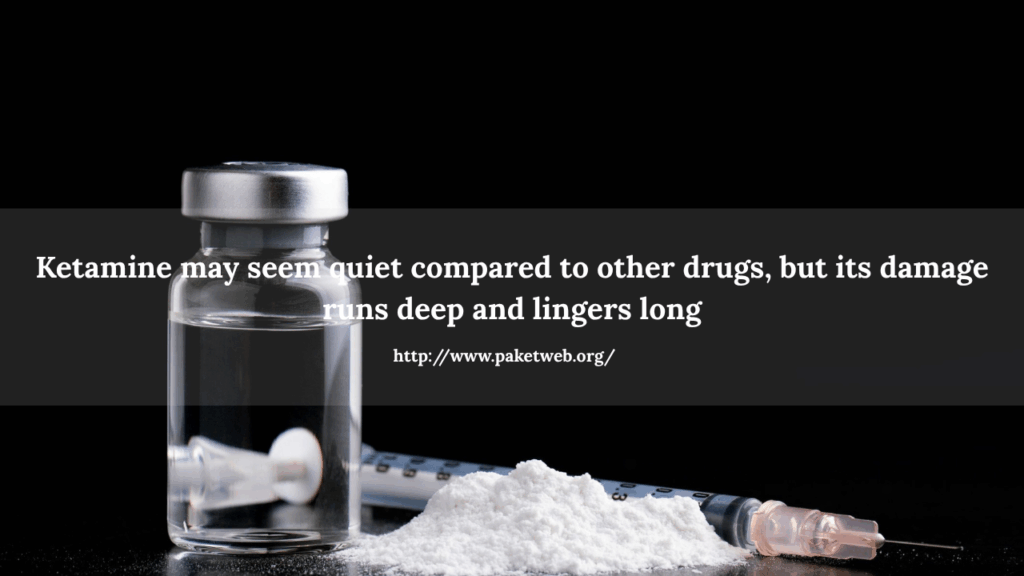
Ketamine, once confined to hospital operating rooms as an anesthetic, has now made its way into clubs, college parties, and street corners—seducing a growing number of teens and young adults with the promise of a quick high. But beneath its reputation as a “safe” party drug lies a dark and often irreversible reality. Ketamine is not just a temporary escape—it is a silent killer that maims before it destroys, and for many young users, recovery is a steep and painful climb.
Used recreationally, ketamine creates dissociation—a sense of being detached from one’s body and surroundings. This floaty, dreamlike state can seem harmless or even fun. But repeated use at high doses leads to devastating side effects that many young users don’t see coming. Chief among them is ketamine bladder syndrome, a condition that can result in chronic pain, urinary incontinence, and bladder failure.
Teenagers as young as 17 have found themselves catheterized for life. Once full of energy and hope, they become prisoners of their own bodies—crippled by pelvic pain, frequent urination, and in some cases, bladder removal surgeries. It’s an outcome few associate with a party drug.
But the physical harm is only part of the story. Ketamine also takes a psychological toll that can be just as destructive. Long-term users often suffer from memory loss, anxiety, depression, and emotional numbness. These symptoms make it hard to function in school, work, or relationships. Even worse, many users develop a strong psychological dependency on the drug—returning to it not to get high, but to escape the pain it caused in the first place.
This is what makes recovery so difficult. Unlike opioids or alcohol, ketamine doesn’t produce intense physical withdrawal symptoms, which can lull users into thinking they aren’t really addicted. But ketamine’s grip is mental and emotional. It burrows deep into a user’s coping mechanisms, becoming a crutch for escaping discomfort, boredom, or emotional pain.
Young people trying to quit often struggle with motivation, focus, and overwhelming regret. Many relapse, not because they want to get high, but because facing the physical damage—like incontinence or chronic bladder pain—without emotional numbness becomes too much to bear.
Parents, teachers, and healthcare providers often miss the warning signs. Because ketamine isn’t as widely recognized as heroin or cocaine, there’s less public awareness, and less urgency in addressing the issue. Families discover the truth only when their child is already physically damaged—or worse, lost to overdose, suicide, or complications from long-term use.
To prevent more tragedies, there must be more education, earlier intervention, and compassionate, comprehensive treatment that includes physical, emotional, and family-based support. Youth need safe spaces to heal and be honest about their pain—without shame or stigma.
Ketamine may seem quiet compared to other drugs, but its damage runs deep and lingers long. The time to start the conversation is now—before another young life is silently claimed.