
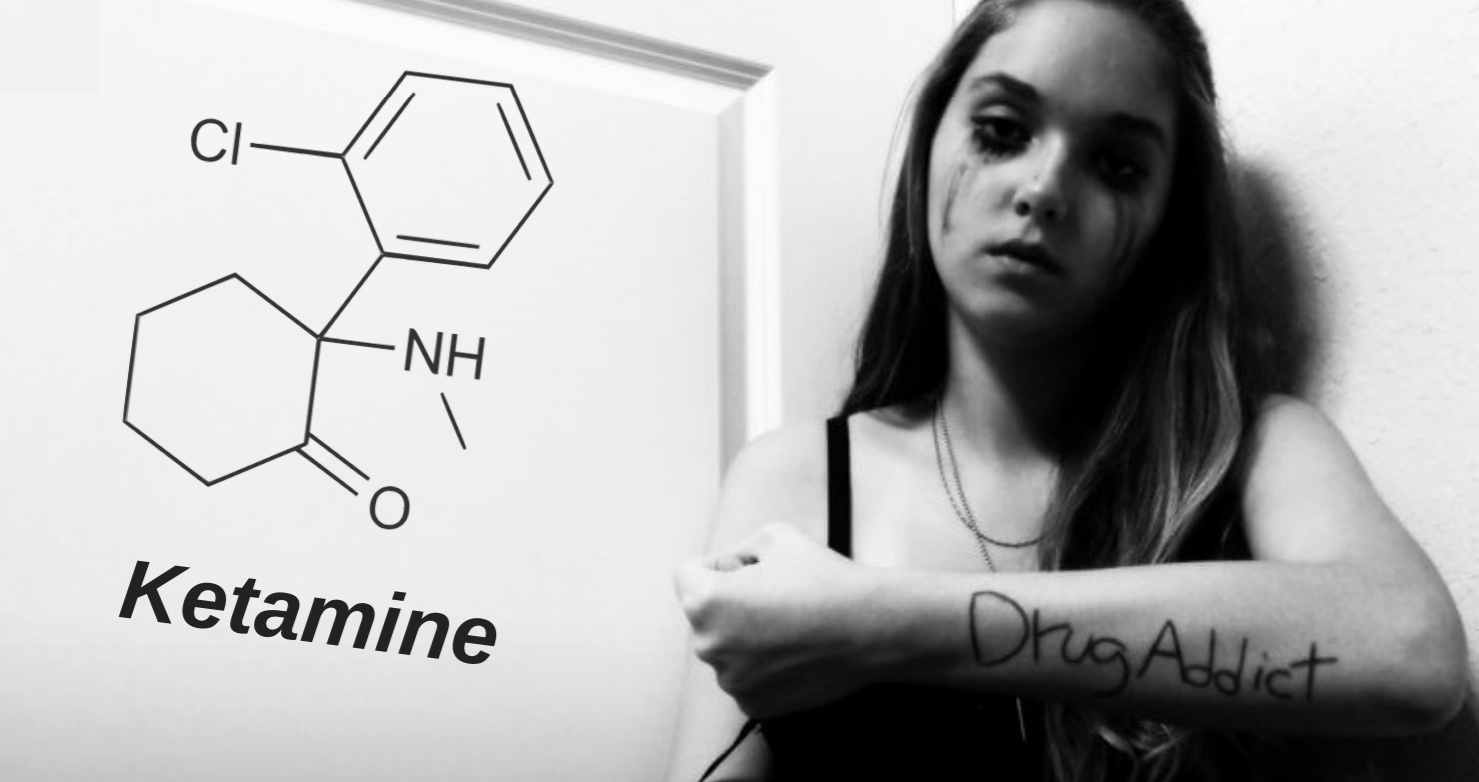
At first glance, ketamine doesn’t seem like the type of drug to destroy lives. Marketed as a trendy party substance and sometimes even used in medical treatments, it has quietly become one of the most dangerous drugs misused by young people today. But for a growing number of families, ketamine has gone from a “fun night out” to a life sentence of pain, disability, and, in the worst cases, death.
For many parents who have lost their children to ketamine, the horror began with experimentation at parties or festivals. The drug, often sold as a white powder, is cheap and easy to get. It produces a quick dissociative high—users report feeling detached from reality, relaxed, or euphoric. But this high comes at a price far higher than most young people realize.
What makes ketamine different from many other drugs is its brutal effect on the body. Frequent use causes devastating damage to the bladder, leading to a condition known as ketamine bladder syndrome or ketamine cystitis. Sufferers experience constant pain, urinary incontinence, and frequent urges to urinate—sometimes over 50 times a day. In extreme cases, the bladder shrinks so much that it becomes useless, leaving young people in their teens and early twenties reliant on catheters or requiring surgical bladder reconstruction.
One mother, whose son died at 22, described it as “watching him age 50 years in a matter of months.” Her once-athletic son became housebound, unable to walk properly due to chronic pelvic pain, and humiliated by his incontinence. He wasn’t just addicted to ketamine—he was physically crippled by it.
For those who try to quit, the road to recovery is incredibly difficult. Unlike heroin or opioids, ketamine doesn’t produce violent withdrawal symptoms, but its psychological grip is intense. Many users return to the drug to escape the emotional pain of their condition, even as it worsens their health. This creates a vicious cycle of use, pain, and more use, often leading to mental health crises, depression, and even suicide.
Some parents report that their children begged for help but couldn’t stop using ketamine despite knowing it was killing them. The damage is not limited to the bladder—ketamine also impairs memory, creates long-term cognitive issues, and often leads to social isolation as sufferers become unable to live normal lives.
The tragedy is that many of these young people didn’t know the risks. Ketamine is often marketed as “safe” because it’s used in hospitals. But recreational use is different—frequent, high doses cause life-changing harm.
Families who have lost children to ketamine are now raising their voices, warning others of the drug’s hidden dangers. They want parents, teens, and educators to understand that ketamine is not just a party drug—it is a silent killer that cripples before it claims lives.
Their message is clear: talk to your children, educate them about the risks, and act early—before one bad decision turns into a life sentence, or worse, a funeral.