
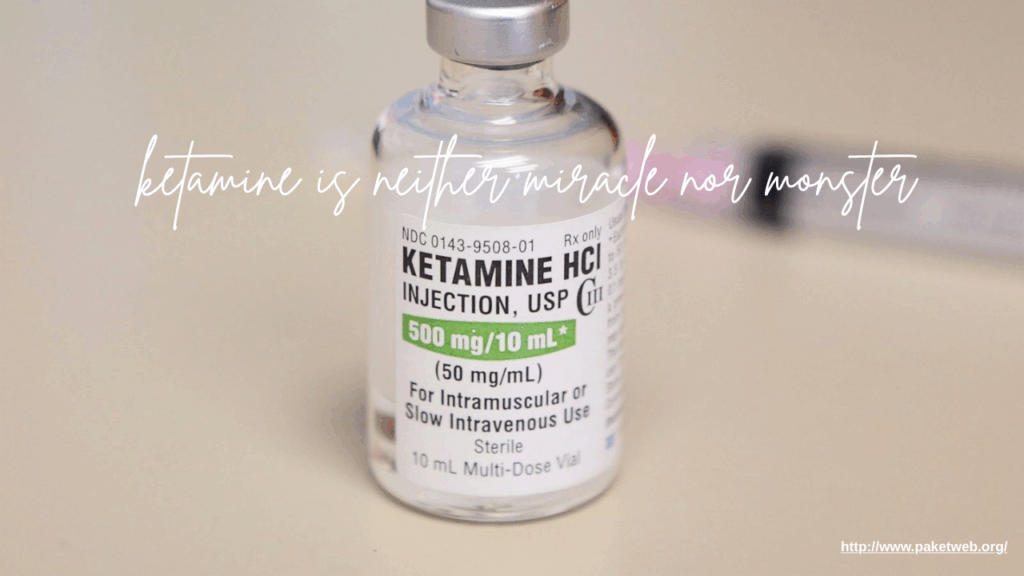
Ketamine has long walked a dangerous tightrope—hailed by some as a groundbreaking treatment for depression, yet condemned by others for the devastation it causes as a recreational drug. This paradox has left families, health professionals, and policymakers facing a difficult question: how do we manage a drug that can save lives in one setting but destroy them in another?
This is ketamine’s catch-22—its medical potential is undeniable, but so are its risks when misused.
A Medical Marvel With a Dark Side
Originally developed as an anesthetic in the 1960s, ketamine gained popularity in clinical settings due to its fast-acting effects and safety during surgery. In recent years, studies have shown that ketamine can relieve symptoms of treatment-resistant depression and PTSD when administered in small, controlled doses under medical supervision. For some patients, it has been life-changing—offering hope where traditional antidepressants have failed.
But while ketamine is making headlines as a breakthrough treatment, outside the clinic it tells a very different story. On the streets and in party scenes, ketamine is being misused by thousands of young people who are unaware—or in denial—about the damage it can do. Recreational use, often involving far higher doses and frequent use, is where the real danger begins.
The Hidden Toll of Abuse
When used recreationally, ketamine can cause immediate side effects like hallucinations, disorientation, and memory loss. But with regular use, more serious problems emerge. Chief among them is ketamine bladder syndrome, a condition that causes chronic pain, incontinence, and, in severe cases, irreversible bladder damage.
Young users have been left needing catheters or bladder reconstruction, their lives permanently changed before they reach adulthood. Mental health can also deteriorate. Long-term ketamine use is associated with memory impairment, emotional instability, and dependency that’s difficult to break.
And here lies the contradiction: while doctors are using ketamine to heal minds, others are becoming psychologically and physically broken by the same drug.
Regulation vs. Access
Ketamine’s dual identity creates a complex challenge for governments and health systems. On one hand, it needs to be accessible to mental health patients under professional care. On the other, tighter restrictions are needed to prevent it from being sold and used irresponsibly.
But strict regulation risks limiting access to those who truly need it, while loose regulation fuels the illegal market. It’s a policy trap with no easy answer. Families of those who have suffered from ketamine addiction are calling for stronger public awareness campaigns and education in schools to bridge this gap in understanding.
A Balanced Conversation
We must be able to talk about both sides of ketamine—the promise and the peril. Glorifying its mental health benefits without acknowledging its dangers is misleading. Likewise, demonizing the drug entirely ignores its legitimate and sometimes life-saving uses.
The truth is, ketamine is neither miracle nor monster. It’s a powerful substance that must be treated with caution, respect, and responsibility. Until society recognizes and addresses this catch-22, more lives will hang in the balance.