
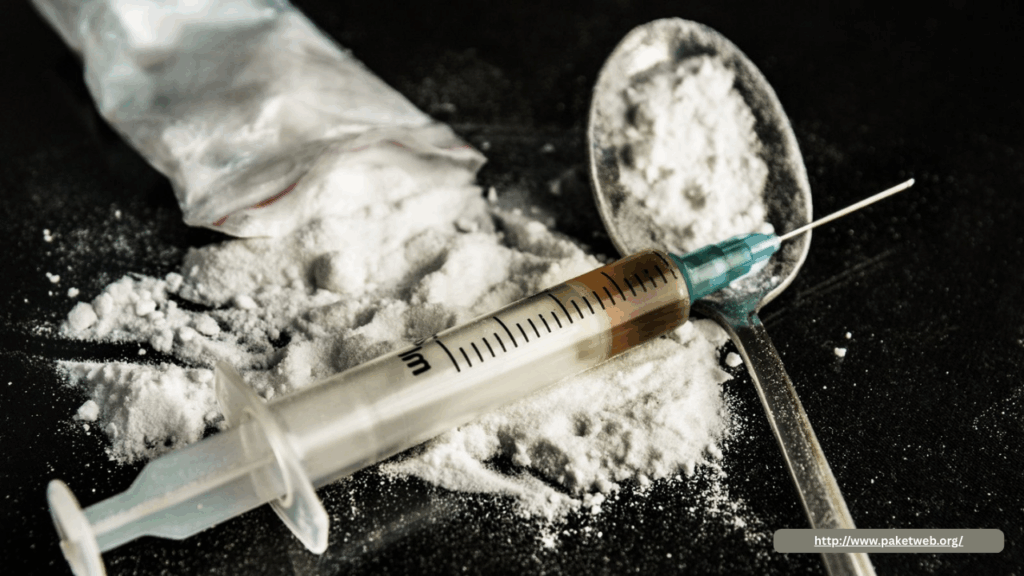
For many families, ketamine is still thought of as a surgical anesthetic or something used in veterinary clinics—not a lethal drug wreaking havoc on young lives. But for a growing number of parents, ketamine has become the silent killer that stole their children, leaving them physically crippled, emotionally shattered, and, in many cases, dead.
What’s worse, recovering from ketamine addiction has proven to be harder than heroin, not because of painful physical withdrawal symptoms, but because of the devastating psychological grip and irreversible physical damage it causes—often long before users even realize they are dependent.
A Hidden Epidemic Among Teens and Young Adults
Ketamine is cheap, widely available, and increasingly used at parties and festivals by teenagers and young adults. Sold in powder form and often snorted, ketamine induces a brief, dreamlike state that users describe as relaxing or euphoric. But what most of them don’t know is that heavy use—even over a relatively short period—can cause catastrophic damage to the bladder, kidneys, and brain.
Young people, some just 17 or 18 years old, are ending up in urology clinics, permanently incontinent and needing catheters or bladder reconstruction surgeries. Their bodies age decades in just a year or two of regular use.
One grieving father described his son as “crippled like an old man” before he died at 21. Once a fit and healthy footballer, his son had to use incontinence pads and could barely walk due to chronic pain caused by ketamine bladder syndrome. “It wasn’t drugs that killed him in one night—it was the slow agony, the loss of dignity, and the hopelessness,” he said.
Harder to Quit Than Heroin
Many recovering users—and their families—report that ketamine is harder to kick than heroin. Not because of physical withdrawal, but because of the intense psychological cravings, emotional detachment, and long-term mental fog it causes.
“I couldn’t stop,” one survivor shared. “Even after being told my bladder was damaged and I might need a stoma bag, I still went out and bought more. It was like I couldn’t feel anything anymore—except when I was high.”
Unlike heroin, which comes with clear physical withdrawal symptoms, ketamine users often convince themselves they’re still in control, even as their health collapses. This denial, combined with the dissociative nature of the drug, makes intervention incredibly difficult.
A Call to Action for Parents and Communities
The tragedy of ketamine addiction is that it often starts so casually—at a party, with friends, in a moment of experimentation. But the consequences are lifelong and sometimes fatal.
Parents are urged to talk to their children about the real dangers of ketamine, to recognize signs of use such as frequent bathroom trips, pain complaints, mood changes, and secrecy. Communities must also demand more education, better access to mental health support, and awareness campaigns targeting schools and universities.
Conclusion
Ketamine is destroying young lives quietly and brutally. It’s not just a party drug—it’s a life-altering, often life-ending substance that leaves families grieving and young people suffering in ways no one should. The stories are heartbreaking, and the message is clear: ketamine kills, and the damage it leaves behind is permanent. Speak out, stay informed, and act before it’s too late.