
Ketamine is a drug known for its potent dissociative anesthetic properties. It can produce experiences in individuals that detach them from themselves and reality.
Interestingly, Ketamine has been used in the medical field for several years as a sedative before medical procedures.
Some studies have shown that Ketamine could be effective for treating depression and helping those who nurse suicidal thoughts. However, this theory has not been proved yet.
Since Ketamine is a dissociative drug, many people have abused it. This abuse has progressed to becoming an addiction in some individuals. And once they are hooked, it is often hard to break free because of the unpleasant withdrawal symptoms that come with it.
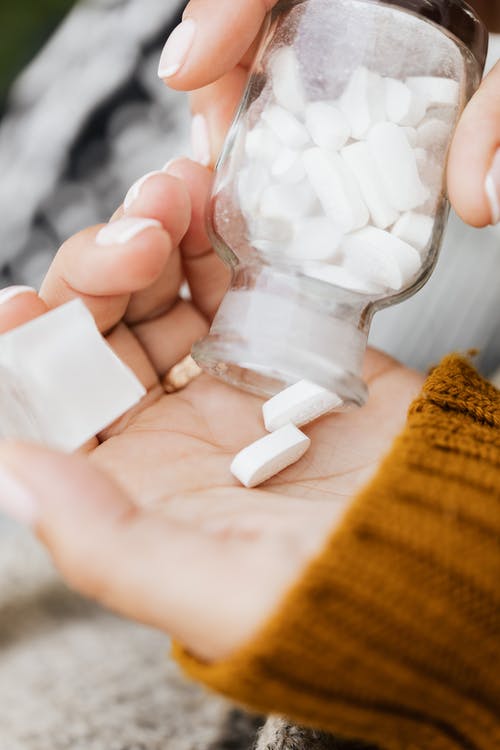
When Ketamine is abused, it causes some harmful psychological and physical side effects. These side effects happen very fast and they wear off very fast too. If you frequent parties, you will discover that Ketamine is often abused too.
Ketamine goes by other names like Ketalar, Vetalar, Ketaset, Ketaject, and Spravato. It also has some slangs like Special K, Jet K, Purple, Vitamin K, Super acid, Cat tranquilizer, and the likes.
If you are addicted to Ketamine, one of the best decisions to make is opting for a Ketamine rehab program. Depending on the specificity of the program in your location, you might have to undergo detoxification before beginning the program fully.
During the rehab, you will be nursed to health by seasoned and experienced addiction treatment professionals who will ensure you trump your Ketamine addiction. What’s more, they will teach you life skills that will help you remain sober for as long as you live.
In Ketamine rehab, it is likely to go through the following phases
- Educational lectures that teach you about the addiction
- The 12-step program or something similar
- Relapse prevention and avoiding high-risk situations
- Group and individual counseling sessions
- Important life skills
- How to identify and live in sober environments that support your recovery
- Joining a peer support system that aids recovery