Assisting Families Through the Challenges of Ketamine Addiction

The impact of substance addiction extends far beyond the individual struggling with it; it touches the lives of their loved ones, creating a complex web of challenges. Ketamine, a dissociative anesthetic known for its hallucinogenic properties, presents unique difficulties for both the individual using it and their families. This article delves into the challenges families face when dealing with ketamine addiction and provides guidance on how to navigate this complex journey together.

  1. Understanding Ketamine Addiction:

Ketamine addiction can be particularly challenging due to the drug’s dissociative effects and potential for psychological dependence. Families often find it difficult to comprehend the reasons behind their loved one’s use, leading to feelings of confusion, frustration, and helplessness. Educating families about ketamine, its effects, and the nature of addiction is a crucial first step in offering support.

  1. Communication and Open Dialogue:

Initiating open and non-judgmental communication is essential when assisting families dealing with ketamine addiction. Establishing a safe space where family members can express their concerns, fears, and emotions fosters a supportive environment. Encouraging honest conversations helps build trust and strengthens the familial support network, creating a foundation for effective intervention.

  1. Seeking Professional Guidance:

Ketamine addiction often requires specialized intervention and treatment. Seeking the expertise of addiction professionals, counselors, or support groups can provide families with valuable insights and coping strategies. Professional guidance not only equips families with a better understanding of ketamine addiction but also empowers them to make informed decisions regarding their loved one’s treatment journey.

  1. Setting Boundaries and Encouraging Treatment:

Establishing clear and healthy boundaries is crucial when supporting a family member with ketamine addiction. Families may need to set limits on enabling behaviors while expressing unwavering support for their loved one’s journey toward recovery. Encouraging and facilitating access to professional treatment options, such as counseling, therapy, or rehabilitation programs, becomes a key aspect of family assistance.

  1. Building a Support Network:

Ketamine addiction can be isolating for both the individual and their family. Building a robust support network is vital in helping families cope with the challenges. This network may include friends, relatives, or support groups where shared experiences can provide comfort, guidance, and encouragement. Knowing that others have navigated similar journeys can be immensely reassuring for families facing the unknown.

  1. Promoting Self-Care for Families:

Caring for a loved one with ketamine addiction can be emotionally draining. Families must prioritize their own well-being to effectively support their struggling member. Encouraging self-care practices, seeking individual counseling, and engaging in activities that promote personal resilience are vital components of the family’s ability to endure the challenges presented by ketamine addiction.

  1. Embracing Empathy and Compassion:

It’s crucial for families to approach ketamine addiction with empathy and compassion. Understanding that addiction is a complex, multifaceted issue helps families avoid stigmatizing behaviors and fosters an environment of understanding. By embracing empathy, families can better connect with their loved one, reinforcing a sense of unity and shared commitment to recovery.

Conclusion:

Assisting families through the challenges of ketamine addiction is a multifaceted and ongoing process. By fostering open communication, seeking professional guidance, setting boundaries, building a support network, prioritizing self-care, and embracing empathy, families can navigate the complexities of this journey more effectively. Ultimately, the collective strength and resilience of the family unit play a pivotal role in supporting their loved one’s recovery and fostering an environment conducive to healing.

The Rising Crisis

Once known as a restricted animal anesthetic, ketamine is now becoming an increasingly abused street drug. Although it has a long history of use in medical settings, ketamine abuse is becoming a growing problem in the United States. Given its hallucinogenic and disinhibiting effects, many people are using it as an escape from their problems. As more individuals use ketamine, the addiction and side-effects are becoming more apparent.

Ketamine is a drug that is typically found in a white powder or liquid form. It is most commonly used as an anesthetic in a medical setting, but recreational users often refer to it as “Special K”. Ketamine is a powerful sedative, analgesic, and hallucinogenic drug. It produces distortions and illusions in the user’s perception of reality. Some recreational users refer to the effects of the drug as a “k-hole” or “out-of-body experience”.

Ketamine addiction is a serious medical issue that can lead to a host of physical and mental health problems. People who abuse ketamine are at risk of experiencing hallucinations, delirium, paranoia, and impaired memory. Long-term abuse of ketamine can create lasting physical and mental health issues, such as changes in heart rate and blood pressure, depression, anxiety, and cognitive impairments.

For those already struggling with mental health issues, such as severe depression, ketamine addiction can be even more dangerous. People who suffer from depression, anxiety, or other mental health issues may be drawn to the disinhibiting and hallucinogenic effects of ketamine. This false sense of safety and relief is often short-lived, however. The physical and emotional issues surrounding ketamine addiction can quickly take over, making long-term recovery difficult.

Those seeking treatment for ketamine addiction must be willing to commit to a comprehensive treatment plan. This typically includes a combination of counseling, medications, and supportive care. Counseling can help individuals process their thoughts and feelings related to addiction. Medications can also be used to curb cravings and reduce withdrawal symptoms. In addition, supportive care can help individuals transition back to a healthier lifestyle and maintain long-term recovery.

Ketamine abuse is a serious problem that is becoming increasingly prevalent. As more individuals turn to this dangerous drug in an attempt to cope with mental health issues or escape reality, the risk of addiction and the associated side-effects increases. While ketamine can be an effective medication, it must be used with caution and only under the supervision of a qualified medical professional. Those struggling with ketamine addiction should seek professional treatment immediately in order to avoid serious consequences.

Understand Its Harms and How to Handle the Impact on Your Life

Ketamine is a drug related to both anesthetic and hallucinogenic effects. It can be habit-forming and frequently used to escape from reality. Although some people use ketamine recreationally or for medical conditions, it is known for being a drug of abuse and addiction. It is essential to understand the risks of ketamine and the lifestyle changes needed to achieve a successful recovery from ketamine addiction.

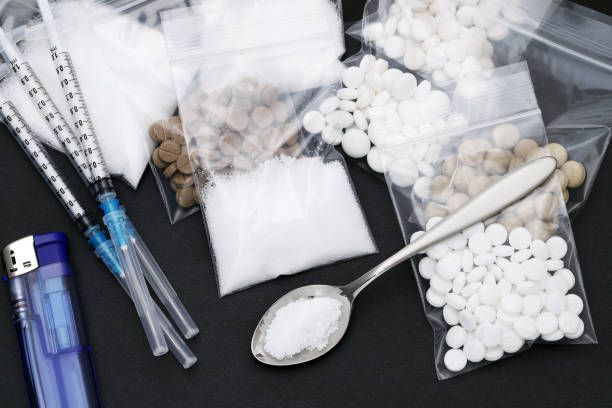
Ketamine can be snorted, injected, and ingested orally or rectally. It can also be found as a liquid, powder, or tablet. In its pure form, it is a white crystal-like powder. People typically become addicted to ketamine because of its psychotropic effects. It can cause an intense high that can last up to two hours.

Ketamine abuse can have long-term physical and psychological harms. It is known to cause kidney and bladder problems. Sleight also can be affected. Short-term effects include impaired motor coordination, distorted perception, memory loss, and increased risk for aggression, suicidal thoughts, and depression. Additionally, it can cause the user to pass out, increase heart rate, elevate body temperature, and dilate pupils. It also has been linked to damaging the nasal passages and other tissue, when it is snorted.

Quitting ketamine is not easy. Addicts often report feeling depression, fatigue, and irritability that, in some cases, can last for a year or more. Other symptoms, that may result from quitting, include seizures, irregular heartbeat, and psychosis. Therefore, it is important to seek professional help in order to handle ketamine addiction and the effects it can have on your life.

The first step in combating ketamine addiction is seeking treatment. A specialized treatment program can help you address the physical and psychological aspects of addiction. Cognitive-behavioral therapy (CBT) and medication assistance, are two common treatment approaches used to help manage the cravings and other symptoms associated with quitting the drug. Additionally, confiding in family and friends, who can help provide a support system, can be beneficial for those struggling with ketamine addiction.

The next phase is to create a safe, drug-free environment. This includes abstaining from ketamine use and minimizing contact with people who abuse the drug. It also means removing any ketamine related items such as paraphernalia or drug dealers from your environment.

Staying busy can be incredibly helpful in combating the urge to use ketamine as well. Exercise, attending support meetings, and engaging in leisure activities can provide distraction and fill the void left from former recreational drug use. In addition, it is important to watch for warning signs that indicate a relapse is possible. It is essential to recognize when you are feeling overwhelmed and unable to cope, in order to prevent yourself from using the drug again.

It is never too late to break the cycle of addiction. If you or someone you know is dealing with ketamine addiction, understanding the harms associated with the drug is critical. Additionally, seeking help from a treatment center, support system, and staying busy can make all the difference in successfully managing the addiction and preventing relapse.

MISUSE

The debate around ketamine misuse has long been a source of discord between parents and their children. From the perspective of concerned parents, the dramatic rise in the use of ketamine in recent years is concerning, and the potential for harm is real. In response, some parents are taking an active role to educate their children, themselves, and the broader community about the dangers of ketamine misuse.

Ketamine, a dissociative anesthetic, was initially used in medicine for surgeries and other medical procedures. In recent years, however, its popularity as a recreational drug has grown dramatically, and the drug has been linked to physical, mental, and emotional harm among users. Due to the drug’s addictiveness, toxicity, and potential for overdose, there is a long list of possible negative effects from using it. For parents, these risks have provoked a sense of urgency and led to a growing demand for action.

To start, parents are working hard to raise awareness of the risks of using ketamine. By talking to their children and teaching them about the immediate and long-term dangers of the drug, parents can provide a first line of defense against misuse. Furthermore, it is important for parents to stay informed about the drug, as new information about its effects can come to light. For example, recently there have been reports about the potential for ketamine to cause severe bladder symptoms and brain changes; thus, it is critical for parents to stay up to date with the latest research in order to educate themselves and their children.

In addition to supporting their children and educating themselves, parents can also take the initiative to make a difference in their community. Encouraging conversation among family and friends, as well as participating in awareness campaigns and petitions, are all powerful ways to show support for the fight against ketamine misuse.

It is essential for parents to keep the dialogue going and to not succumb to the pressure to “turn a blind eye” to ketamine misuse. By staying actively involved and educating their children, parents can play an integral role in fostering a safe environment for their children and the community at large.

At the end of the day, it is important to remember that parents are not alone in their fight against ketamine misuse. By connecting and joining forces with like-minded individuals, parents can build a powerful force to actually motivate and inspire more individuals to join the cause and end ketamine misuse.

As parents, it is not easy to face the reality of ketamine misuse and the potential for harm; however, by staying proactive and informed, they can do their part to protect their children and the community. By working together to increase education and awareness, parents can take an effective stance against ketamine misuse and create a safer and healthier environment for all.

Exploring the Pros and Cons of this Popular Psychedelic

Ketamine is a popular psychedelic drug that has been used for recreational, therapeutic, and medical reasons for decades. The drug has become increasingly popular in recent years due to its ability to induce dissociative and psychotropic effects in users and the low risk of serious complications when used responsibly. While some use the drug to self-medicate or for spiritual exploration, others use it to cope with anxiety, depression, and post-traumatic stress disorder (PTSD). While long-term use of ketamine is strongly discouraged due to its addictive and disorienting effects, there are some potential therapeutic benefits to be explored. This article aims to provide an overview of the positive and negative effects of ketamine and discuss its potential for therapeutic use.

Ketamine is a dissociative anesthetic and psychedelic drug. It is generally classified as a ‘dissociative’ drug, which means it distorts perception of reality, time, and self-awareness. The effects of ketamine last for about 25 minutes and peak at around 30 minutes. The majority of ketamine users report feeling an intense euphoria, out-of-body sensations, and an altered state of perception. Some also report visual and auditory hallucinations.

The therapeutic effects of ketamine are often the focus of research studies as it is believed to have a range of potential benefits, including treatment for anxiety, depression, and chronic pain. For instance, some studies suggest that ketamine might help alleviate symptoms of depression, especially when it is used in conjunction with traditional antidepressant medications. Additionally, ketamine may help reduce chronic pain by providing relief from pain for up to 16 hours. Other possible benefits include relief from anxiety, PTSD, and social phobia.

The negative effects of ketamine range from minor to significant. Immediate side effects include dizziness, mood swings, nausea, vomiting, confusion, and temporary visual disturbances. Long-term effects, such as memory loss, confusion, and impaired judgment, can occur with heavy recreational use. Additionally, prolonged use can lead to addiction and can also cause physical and psychological dependence. Prolonged use may also increase the risk of health conditions such as bladder and heart problems.

Although there are potential risks associated with ketamine use, it is important to note that when used responsibly under the supervision of a doctor, there is a low risk of serious adverse effects. However, it is still important for individuals to be aware of the potential risks and make an informed decision about whether or not to use this drug.

To conclude, ketamine is a popular psychedelic drug that has a range of therapeutic and recreational uses. Although there are potential benefits to its use, it is important to recognize the associated risks and exercise caution. Anyone considering using ketamine should make sure to talk to their doctor and consider both the positive and negative effects of the drug.

Understanding and Overcoming the Effects of the Powerful Drug

Drug addiction is a devastating and life-altering condition that affects millions of people around the world. One of the newer and more potent substances to come onto the illicit drug scene is ketamine. Though at one time it was primarily used as an anesthetic for medical procedures, the past few years have seen an increase in the recreational use of this drug, and many have found themselves struggling with ketamine addiction. This article will look at the effects of ketamine, the dangers of this drug, and how to go about overcoming a ketamine addiction.

Ketamine, also known as “K,” is a powerful sedative and hallucinogen that is often used as an illicit party drug. It is usually snorted, injected, or taken orally and produces intense sensations of euphoria, relaxation, and an altered mental state. Users often report feeling “dissociated” or removed from their everyday environment and may lose their sense of touch, smell, sound, or taste. The effects of ketamine are most often brief and can last anywhere from ten to forty minutes depending on the dosage, the route of administration, and the user’s metabolic makeup.

Though ketamine may bring with it an intense level of pleasure or relaxation, it can be dangerous for some users and it can be highly addictive. There have been numerous reports of severe physical reactions such as blurred vision, nausea, lethargy, irritability, and confusion. Long-term use of ketamine can severely damage the liver and kidneys, as well as cause mental health issues such as depression, anxiety, and psychosis.

One of the most insidious things about ketamine addiction is that users often do not realize that they have a problem until it is too late. Because of the mental and physical dependence that often manifests as a result of long-term use, ketamine addiction can be hard to overcome. However, there are some steps that users can take to get help.

The first step is to recognize that you have a problem and that you need help. Reach out to a health professional for a diagnosis and discuss your treatment options. This could include seeking the help of a residential or outpatient rehab facility as well as joining support groups for addicts.

If possible, try to withdraw from ketamine usage as fast as possible. This can be extremely difficult and you may need to enlist the aid of friends and family. Quitting any drug taken for recreational purposes can be a long and arduous process, and it is important to have support from those you trust.

It is also important to be aware of relapse risks. Relapse is a common problem among people in recovery. If you have relapsed, do not be too hard on yourself and remember that the most important thing is to start over and make sure that you stay on track to a full recovery.

Finally, recognize that recovery is an ongoing process and that it takes a lot of hard work. It is important to stay committed to changing your behavior and attitudes with regards to ketamine and other drugs. It is also beneficial to maintain healthy lifestyle behaviors such as avoiding drugs and alcohol, eating a balanced diet, exercising regularly, and getting plenty of rest.

Drug addiction is a serious condition that can have devastating effects on both physical and mental health. However, through treatment, support, and commitment to recovery, it is possible to overcome a ketamine addiction.

What is opioid addiction

Opioids are drugs naturally occurring in the opium plant. They produce morphine-like effects on the human body. Taking opioids helps with pain relief, diarrhea treatment, cough suppressants, etc. If an individual is not careful, they might get addicted to opioids in the long run.

It is important to mention that if you take opioids, some factors at play determine your chances of getting addicted. For instance, your personal history of addiction, and the amount of time spent using opioids may determine if you will get addicted or not.

Free 
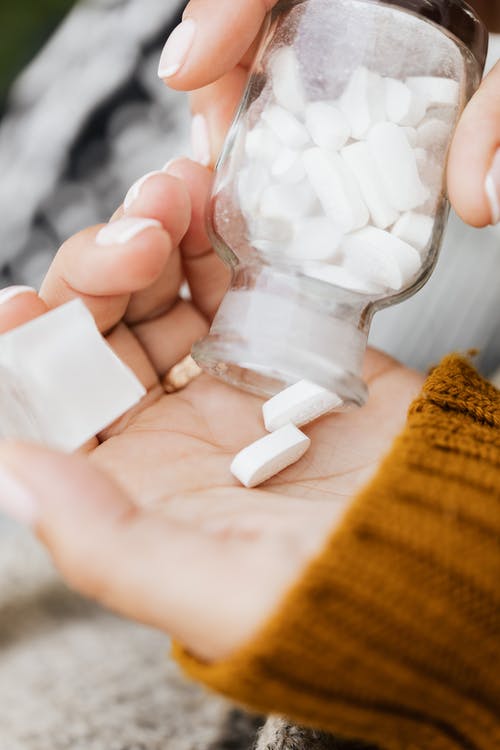
A Close-Up Shot of a Person Taking Medicine from a Bottle Stock Photo

When you are addicted to opioids, you have developed a condition where you get to realize that it is hard for you to live without opioids. You will feel the compulsive and obsessive need to take opioids almost every time.

Opioids are highly addictive substances that modify the operations of the reward centers in your brain.

When these drugs are taken, endorphins are released, which are feel-good neurotransmitters. These endorphins give a temporary feeling of ease and pleasure. And when these feelings wear off, you will find yourself wanting to use more of these drugs.

When it comes to preventing opioid addiction, the first step is to learn how it develops. If you don’t know how addiction starts, you might end up getting addicted due to some of your actions.

Thereafter, ensure you only take drugs as prescribed by your healthcare provider. If you always feel the urge to take opioids, discuss it with your doctor so that they can provide you with healthier alternatives that will prevent you from abusing opioids that can make you addicted in the long run.

It is also important for you to watch the people you hang out with. If your friends abuse drugs like opioids, you might have to change your association because you are likely to get influenced since you are the odd one out.

You need to take conscious decisions to ensure that you don’t fall into the web of opioid addiction, considering how challenging it can be to break free.

What is Ketamine Addiction? Understanding the Reality of Habitual Drug Use

Ketamine is a powerful psychedelic drug that has become increasingly popular in recent years. It is a Class C controlled substance in the United Kingdom, and its use is illegal in most other countries. Despite this legal classification, its use is common, especially in the club and party scenes. Unfortunately, many people ignore the risks of using ketamine and the potential for addiction.

Ketamine, also known as K, is a dissociative anesthetic agent that can produce a feeling of euphoria. It has a unique chemical structure and works on the central nervous system to produce stimulating effects. The drug blocks NMDA receptors — molecules that can control excitability and pain signals — from transmitting information to the brain and can therefore induce feelings of relaxation, detachment, and lightheadedness with larger doses. It also has a number of physical effects, such as increased heart rate, drowsiness, and a feeling of calm.

Ketamine can produce hallucinations and distortions of vision and sound. Depending on the amount ingested, users often find themselves in a state of intense dissociation and disorientation, which can be enjoyable or terrifying. While ketamine use may seem minimal compared to other drugs, the potential addiction risks should always be considered.

Ketamine addiction can form from frequent use, as the user’s body becomes tolerant to the drug, and higher doses are required in order to achieve the same effects. This means the user requires more of the drug to get the same level of ‘high’ as before — a sign of addiction. The effects of ketamine on the brain are similar to amphetamine and cocaine, in that it increases the levels of pleasure-inducing chemicals in the brain, making use of the drug even more desirable.

However, since ketamine induces a feeling of detachment and out-of-body experiences, users may feel as though they are not truly in control of their own body or behavior. This can lead to a change in behavior and attitudes, with even the most outgoing and sociable person losing concern for their social relationships and life in general.

The addiction risks of ketamine use are largely overlooked, but they are significant. Ketamine’s effects on the brain can cause widespread changes in how users perceive reality, altering thought patterns and damaging our body’s ability to regulate stress and emotion. In extreme cases, users may experience depression, psychosis and even suicidal thoughts.

Rehabilitation centers are a great option for individuals struggling with ketamine addiction. Treatment programs are designed to slowly reduce the user’s dependence on the drug, while providing counseling, therapy, and support. It is essential to seek help as soon as possible in order to prevent serious long-term damage to health and wellbeing.

If you feel that you or someone you love may be addicted to ketamine, it is vital to seek help from a professional. It takes time to overcome an addiction, but with the right support and help, recovery is possible.

Treatment tips for Ketamine addiction

Ketamine is a drug known for its potent dissociative anesthetic properties. It can produce experiences in individuals that detach them from themselves and reality.

Interestingly, Ketamine has been used in the medical field for several years as a sedative before medical procedures.

Some studies have shown that Ketamine could be effective for treating depression and helping those who nurse suicidal thoughts. However, this theory has not been proved yet.

Since Ketamine is a dissociative drug, many people have abused it. This abuse has progressed to becoming an addiction in some individuals. And once they are hooked, it is often hard to break free because of the unpleasant withdrawal symptoms that come with it.

When Ketamine is abused, it causes some harmful psychological and physical side effects. These side effects happen very fast and they wear off very fast too. If you frequent parties, you will discover that Ketamine is often abused too.

Ketamine goes by other names like Ketalar, Vetalar, Ketaset, Ketaject, and Spravato. It also has some slangs like Special K, Jet K, Purple, Vitamin K, Super acid, Cat tranquilizer, and the likes.

If you are addicted to Ketamine, one of the best decisions to make is opting for a Ketamine rehab program. Depending on the specificity of the program in your location, you might have to undergo detoxification before beginning the program fully.

During the rehab, you will be nursed to health by seasoned and experienced addiction treatment professionals who will ensure you trump your Ketamine addiction. What’s more, they will teach you life skills that will help you remain sober for as long as you live.

In Ketamine rehab, it is likely to go through the following phases

  • Educational lectures that teach you about the addiction
  • The 12-step program or something similar
  • Relapse prevention and avoiding high-risk situations
  • Group and individual counseling sessions
  • Important life skills
  • How to identify and live in sober environments that support your recovery
  • Joining a peer support system that aids recovery

How families can fight against Ketamine addiction

Ketamine is a dissociative substance that makes the individual feel disconnected from themselves and reality. It is important to mention that Ketamine can have a profound effect on the mind and body when it is combined with other substances.

Some of the short-term effects that Ketamine has on the body are High blood pressure, abnormal breathing rate, loss of consciousness, confusion, and sometimes, hallucinations.

Other effects are sedation, inability to pay proper attention and retain information, dreamy feeling, etc.

When it comes to the fight against Ketamine addiction, the family has a pivotal role to play. Asides from the fact that there are programs that help to put Ketamine addiction at play, the presence of the family cannot be overstated.

Now, it is undeniable that you will find Ketamine addiction common among young people, especially Teenagers and Youths. Some of them lack proper guidance on the right thing to do, this is why they end up getting addicted.

The family helps to ensure that their young ones do not dabble in Ketamine abuse which often leads to addiction. When they begin to observe certain strange behaviors in their young ones, it is important to call them to order and begin to seek help for them.

Family members who do not pay attention to the activities and behaviors of their young ones are more likely to end up having addicted loved ones. Also, for family members whose loved ones are already addicted to Ketamine, they can still salvage the situation.

Usually, the first step to treating Ketamine addiction is by undergoing counseling. The essence of counseling is helping the addict to uncover the root cause of their addiction. The addicted individual would be properly informed on their addiction and why it occurred.

The family needs to be available at this point because they have to know the root cause of their loved ones’ addiction. This is where they will learn how to properly manage them.

After the counseling phase, the next is the detoxification stage where all the substances build-up in the individual is eliminated.

All through Ketamine addiction treatment, the family is expected to stick through to properly nurse their loved one to robust health.